Recognitions


6 Ways To Reward Your Employees
6 Ways To Reward Your Employees
Rewarding your people well is one of the most effective things a company can do for motivation and engagement. But ‘rewards’ is a broad category, and the same reward that delights one person leaves another cold: a night out means little to a new parent who needs time at home, and a gift card feels thin to someone chasing a promotion. Two things matter more than the specific reward you pick. The first is variety, offering more than one kind. The second is choice, letting people select what’s actually meaningful to them, because a stale, one-size rewards catalog motivates almost no one.
With that in mind, here are six distinct ways to reward your employees, each suited to different people and moments, along with how to match the right reward to the right situation.
1. Recognition and genuine praise
The most powerful reward is often the one that costs nothing. Sincere, specific recognition, a public shout-out, a peer thank-you, a note from a leader naming exactly what someone did and why it mattered, is consistently one of the strongest, lowest-cost levers on engagement; well-recognized employees are about 45% less likely to leave. It’s worth separating this from the rest of the list, because recognition is not the same as a gift, and it frequently matters more than one. A meaningful acknowledgment lands harder than a generic prize, and only about 22% of employees strongly agree they get the right amount of recognition, so there’s usually plenty of room to give more.
2. Cash and monetary rewards
Cash bonuses and spot awards are the most familiar reward, and they have a clear place. Cash is flexible, universally understood, and simple to administer, which makes it well suited to frequent, modest rewards like small performance bonuses. It also matters most in a specific situation: when employees are under financial pressure or underpaid, money that helps with real life beats any experience. The trade-off is that cash is transactional and tends to get absorbed into what people already expect to earn, so it’s less memorable than other rewards and rarely creates a lasting emotional impression. Use it where flexibility and frequency matter most.
3. Non-cash rewards, with real choice
Points, gift cards, and merchandise sit between cash and experiences, and their strength is that they stay psychologically separate from salary, so they feel like a genuine reward rather than part of the paycheck. This is the category where the ‘outdated catalog’ warning bites hardest: the whole point is choice. A rewards menu that lets a frequent traveler, a new parent, and someone saving for a home each pick something they actually want will always outperform a fixed prize that suits no one in particular. Keep the options current and varied, and let people choose; that single design decision does more for the impact of a non-cash program than almost anything else.
4. Experiences
Experiential rewards, events, dinners, tickets, curated outings, or a larger incentive trip, are among the most memorable and celebratory rewards there are, and they create shared stories that a deposit in a bank account never will. They shine for milestones and top-performer recognition, where the goal is a lasting, visible sense of achievement. Two honest caveats keep them in their lane, though. Experiences are expensive, and they can exclude: not everyone can or wants to travel or attend an event, whether for health, family, or personal reasons. So reserve experiential rewards for peaks and celebrations, make sure alternatives exist for those who can’t take part, and don’t rely on them for everyday recognition.
5. Time and flexibility
One of the most valued rewards today costs almost nothing to give: time. Extra paid time off, an early finish on a Friday, a flexible schedule, or added remote-work flexibility all speak directly to the work-life balance people increasingly prioritize, and they often mean more than a comparable cash amount. Rewarding a big effort with genuine time to recover, or trusting a high performer with more control over their schedule, signals respect in a way merchandise can’t. In a world where burnout is common and flexibility is prized, time is an underused and remarkably effective reward.
6. Growth and development
Some of the best rewards make your employees more capable. Access to training, a conference, a course, a certification, mentorship, or a stretch assignment rewards someone while investing in their future, and it resonates especially with ambitious people who want to keep growing. It’s also a genuine retention tool: a lack of development is consistently one of the top reasons employees leave, so rewarding people with growth opportunities addresses that head-on. For your most driven employees, the chance to learn and advance is often the most motivating ‘reward’ you can offer.
The part that ties it together
The skill isn’t picking one of these; it’s matching the reward to the person and the moment. Cash for financial stress and frequent small wins; experiences for milestones and top performers; time for the overworked; growth for the ambitious; recognition for, well, everyone, all the time. Wherever you can, let people choose. And keep rewards in proportion, because they’re one lever, not the whole engine: no reward, however generous, substitutes for fair pay, good management, and frequent, genuine recognition throughout the year, and a lavish annual gift does little to repair a year of feeling unseen. Often the most powerful reward of all is simply being noticed and thanked, sincerely and specifically, for work that mattered.
The bottom line
The best reward program isn’t the one with the flashiest catalog or the biggest budget. It’s the one that offers real variety, gives people genuine choice, matches the reward to the person and the occasion, and pairs every reward with authentic recognition. Get that right, and rewarding your employees becomes a genuine driver of motivation, engagement, and retention, rather than a box to tick once a year.
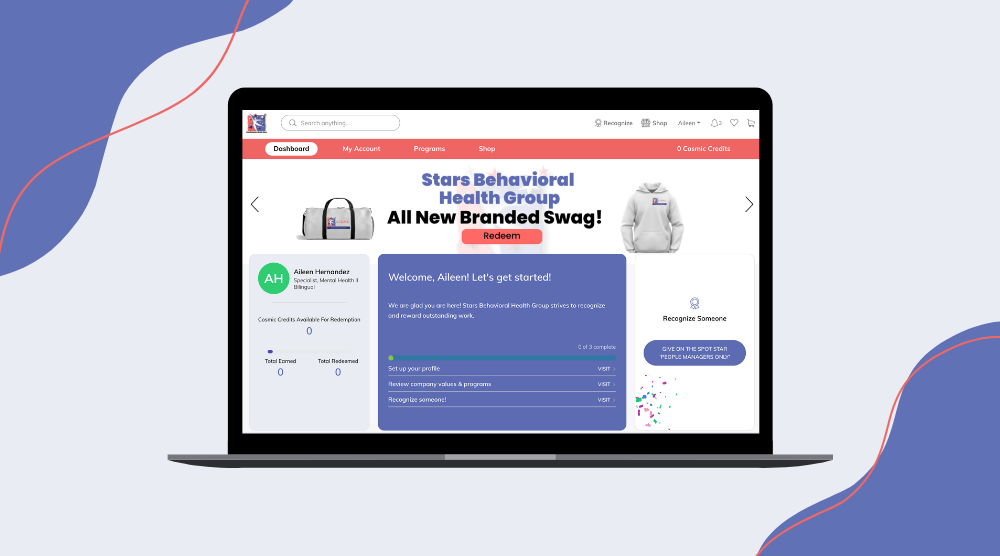
See it in action. Rewardian helps teams design recognition and incentive programs that drive engagement, performance, and retention. Request a demo to see how.