
Recognitions


How to Incentivize Dealers Without Creating Channel Conflict
Incentives don't create channel conflict. Unclear rules about who gets credit do. To incentivize dealers without conflict, define who owns each customer and lead, reward the behaviors you want instead of volume alone, apply the same published rules to everyone in a tier, and track disputes like any other metric.
A common approach is to address channel conflict only after it appears. This might mean adding territory rules, sending reminders, or settling disputes case by case. Another response is to avoid dealer incentives altogether for fear of upsetting the network. Neither approach addresses the underlying issue. Dealers compete for the same customers, leads, and margins whether or not you offer a reward. An incentive simply gives that tension a scoreboard.
For executives and the teams who run incentive programs, the cost of getting this wrong is a network that spends its energy competing with itself instead of with the market.
The better question isn't "How big should the incentive be?" It's "Who gets credit when more than one dealer touches a sale?"
1. Decide who owns the customer before you decide the reward
Conflict starts at the point where two dealers believe the same sale is theirs. A reward attached to that sale makes the disagreement more expensive. Before you design a channel incentive program, settle the ownership rules in writing.
Your rules should answer:
- Who owns the customer relationship?
- Which dealer gets credit for a lead that arrives through your website or a call center?
- What happens when two dealers pursue the same account?
- How are territories or segments defined, and who can change them?
- Who resolves disputes, and how quickly?
If these answers live in someone's head, they will be interpreted differently by every dealer. The goal isn't to prevent every overlap. It's to make sure every overlap has a known outcome.
2. Reward behaviors, not just volume
An incentive based solely on sales volume encourages dealers to compete for the same opportunities, often leading to customer overlap, discounting, and a focus on the accounts that are easiest to close.
Reward the behaviors that grow the network instead of dividing it:
- Developing new accounts
- Following up on assigned leads quickly
- Completing product training or certification
- Customer satisfaction and retention
- After-sale support and service
Volume still matters, and it can stay in the mix. It just shouldn't be the only thing a dealer is paid to care about. When dealers earn for doing the work that builds the market, they have less reason to fight over the part that already exists.
3. Keep the rules the same for everyone in a tier
Dealers talk to each other. If one believes another received a better deal, a special bonus, or an easier target, the program loses credibility quickly, and the resentment lands on the dealers around them.
Different tiers are fine when the criteria are objective and visible. Side arrangements are where trust breaks down.
A fair program has:
- Published eligibility criteria for each tier
- The same measurement method for every dealer
- A documented process for disputes and exceptions
- Advance notice before rules or targets change
Every exception you make is a precedent. Make fewer of them, and write down the ones you can't avoid.
4. Be careful with public rankings
Visibility motivates people, but in a dealer network it can also inflame rivalry. A leaderboard that ranks a large metro dealer against a small rural one tells most of the network they are losing.
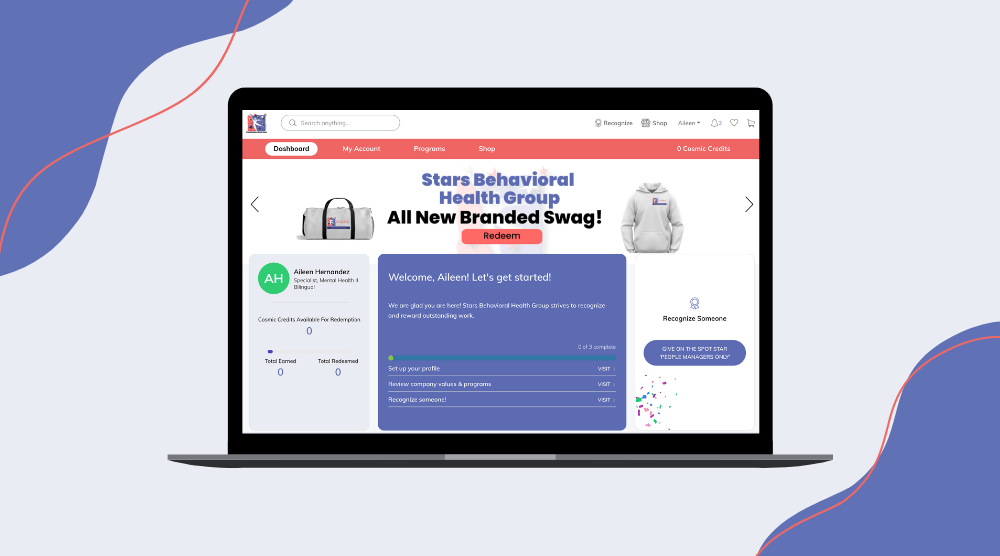
Recognition can also encourage participation without creating unnecessary competition. For example, Rewardian's gamification engine includes badges, leaderboards, and bingo, giving organizations different ways to recognize dealer engagement and progress. In a dealer program, start with individual progress features and introduce head-to-head rankings only when ownership and fairness rules are established.
The tool matters less than the design. Recognition should make dealers feel noticed, not measured against someone they can't realistically beat.
5. Measure conflict like any other metric
Programs often track sales and participation but overlook friction. Treat channel conflict as something you can see in the data.
Useful signals include:
- Disputed or overlapping claims
- Lead assignment disagreements
- Time to resolve a dispute
- Participation rates by dealer tier or region
- Direct feedback from dealers
Review these quarterly alongside program results. A rise in disputes after a new incentive launches is a sign that ownership rules need work, not that dealers have become difficult. Share a short summary with executives so the program has a clear owner and the rules have someone accountable for changing them.
Fix the rules before you fund the rewards
If you remember five things:
- Ownership: Decide who owns each customer and lead in writing.
- Behavior: Reward what grows the network, not just volume.
- Fairness: Apply the same published rules to every dealer in a tier.
- Visibility: Show progress before you show rankings.
- Measurement: Track disputes and friction alongside sales.
You can't remove competition between dealers. You can decide how it works and what it earns. A program with clear rules gives dealers a reason to compete in the market instead of with each other.
